17-point roof + attic inspection
Know where the roof stands before deciding what it needs.
Exterior roofing tells only half the story. Ketron connects roof surfaces, transitions, drainage, penetrations, ventilation, and attic clues so the next decision starts with evidence.
- Residential only
- Documented findings
- Repair stays on the table
Where this service fits
A roof inspection should reduce uncertainty, not create urgency.
The value is not a checklist by itself. It is the connection between what is visible outside, what is happening inside the attic, and what those conditions mean for repair, care, or replacement.
Roof surface
Material wear, damage, fastening, transitions, penetrations, and visible water-management details.
Drainage path
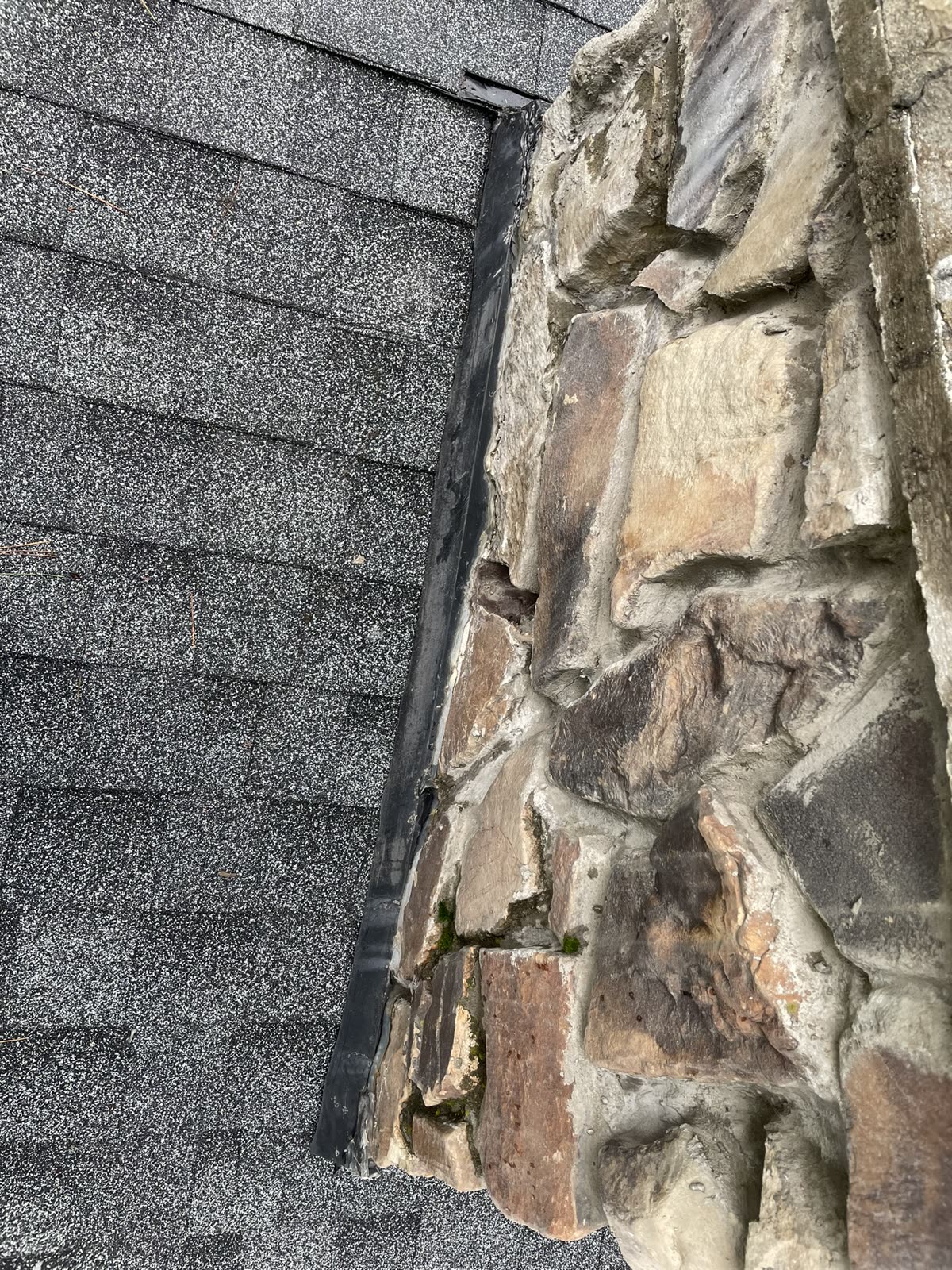
Valleys, eaves, walls, chimneys, skylights, and places where water changes direction.
Attic evidence
Moisture clues, ventilation conditions, staining, and the underside of the roof deck where accessible.
Decision boundary
What needs attention now, what can be watched, and what does not justify work.
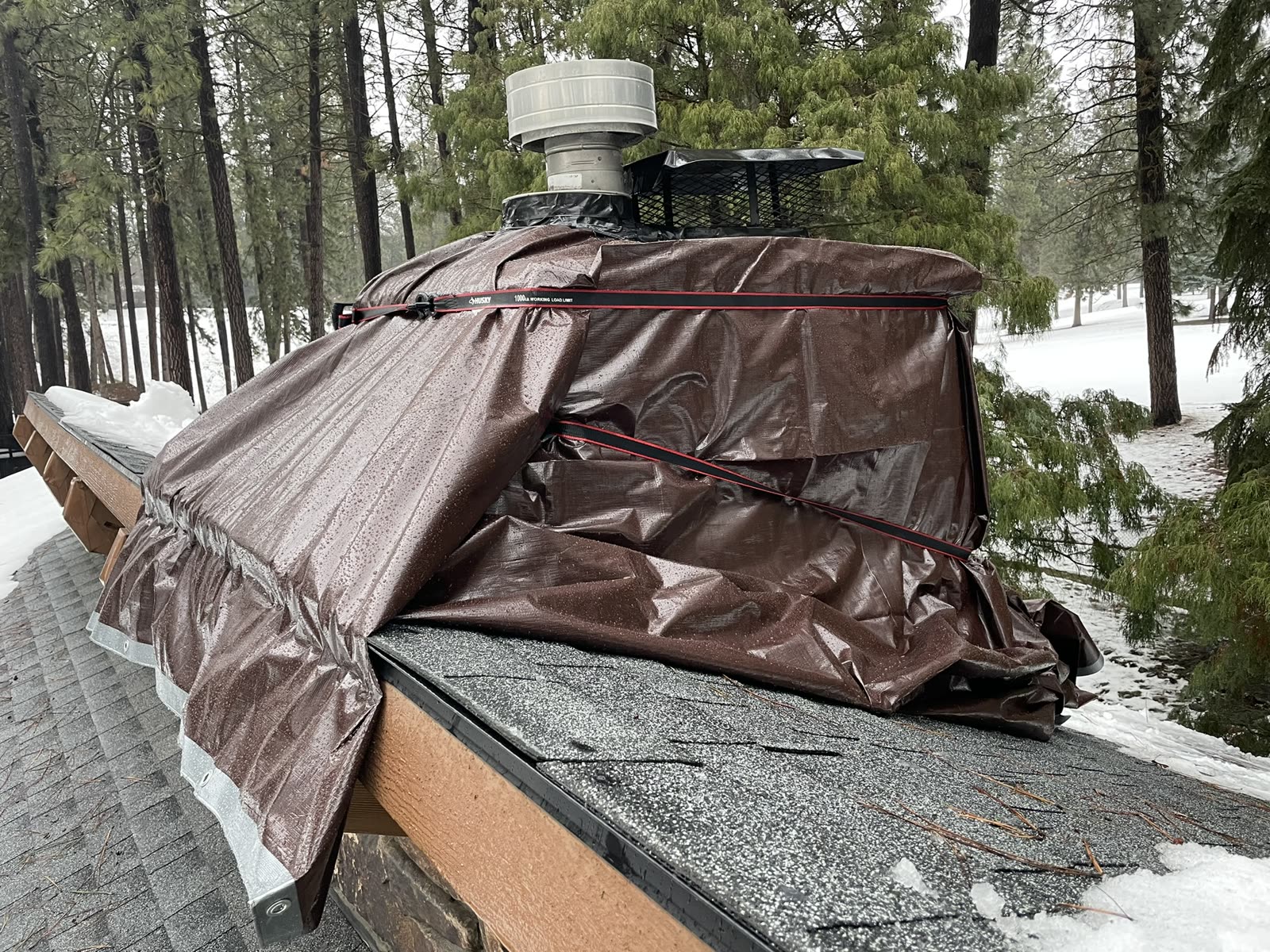
Inspection in practice
Small details become useful when they are connected.
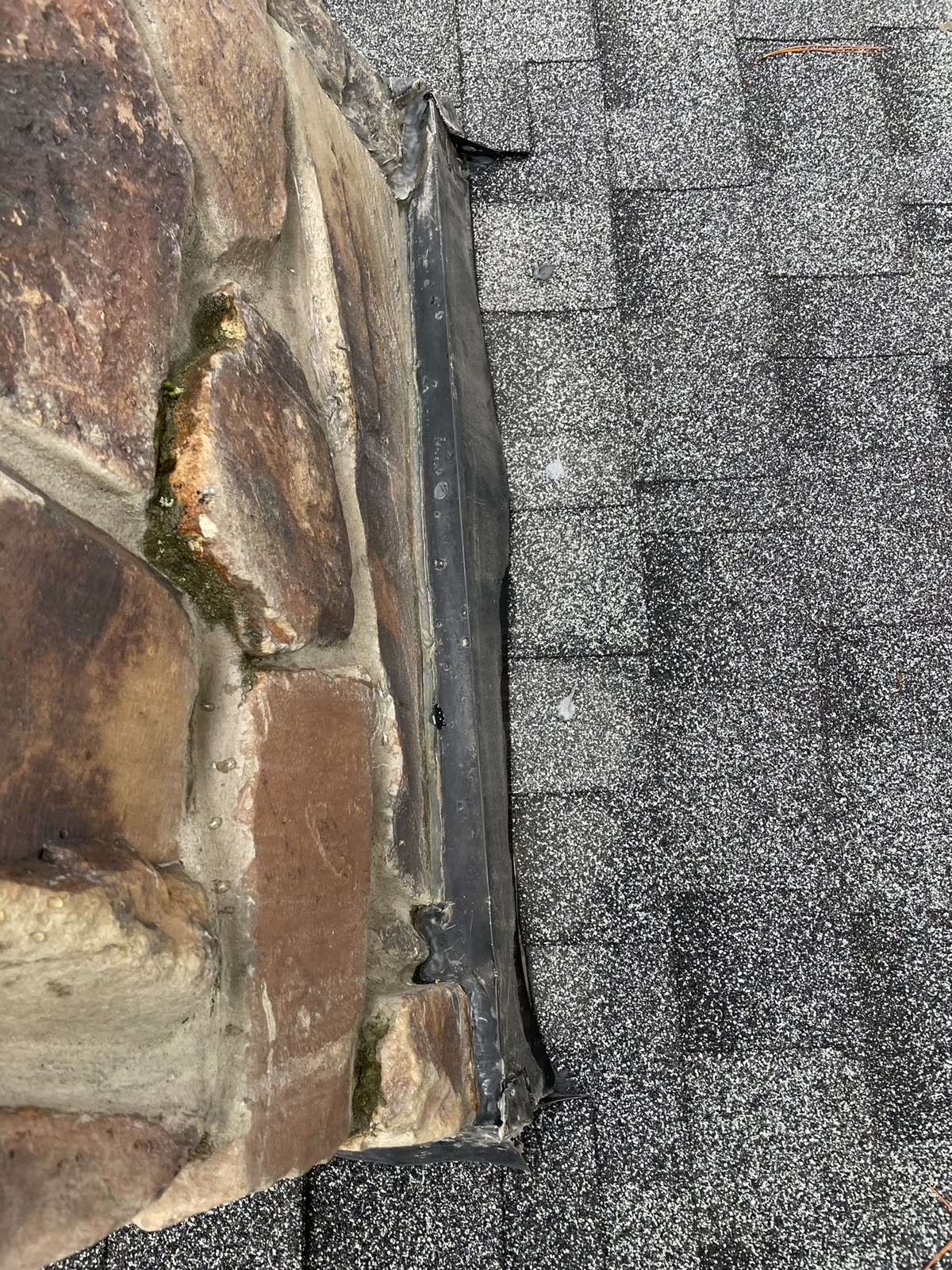
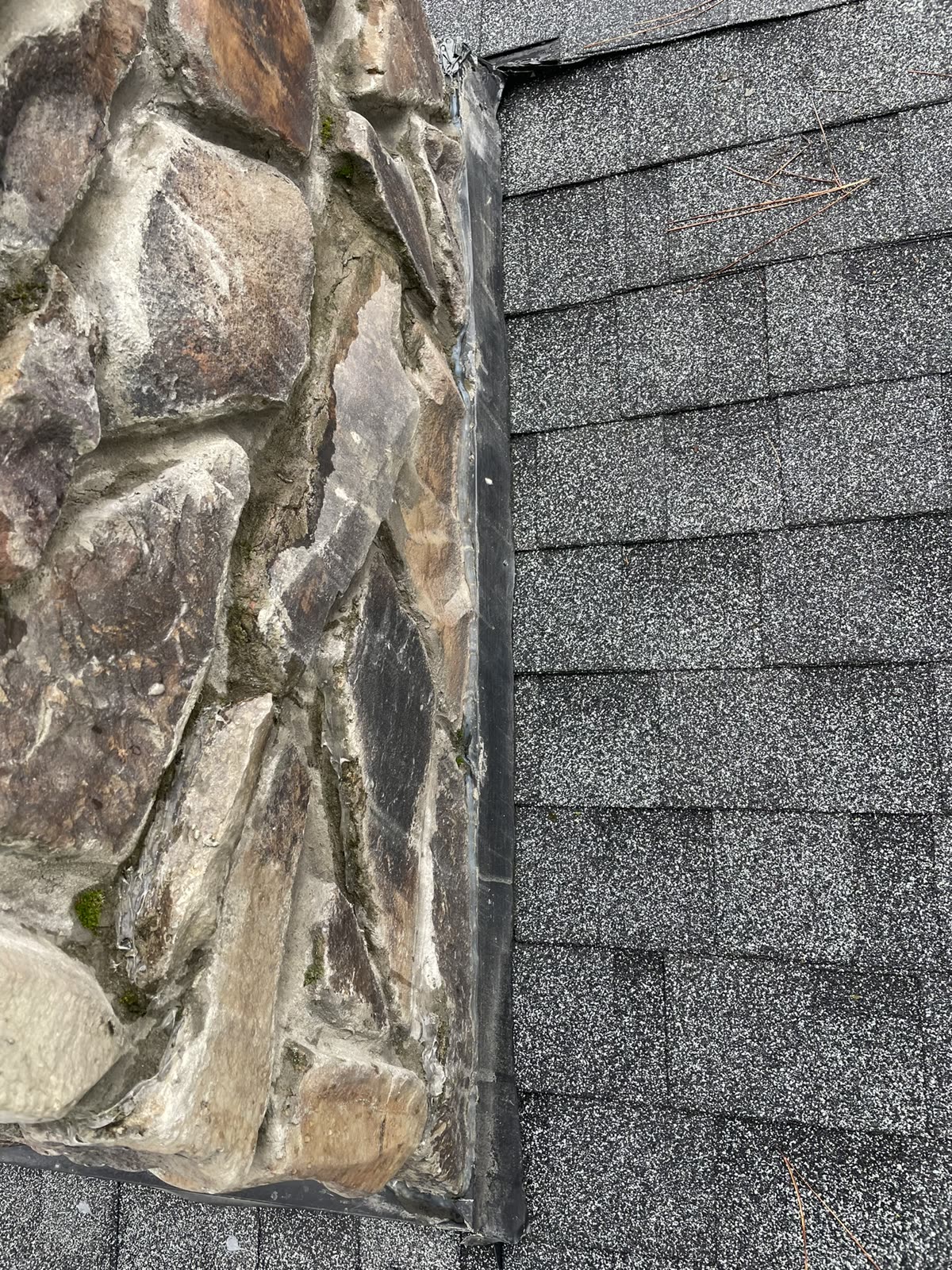
A chimney transition, a lifted edge, or a damp attic mark can each be meaningless alone. The inspection asks how the details relate: where weather meets the roof, how water would move, and whether the attic confirms the exterior theory.
The result should be a condition story you can understand—not a stack of photos without interpretation.
- Exterior roof review
- Attic review where accessible
- Photo-supported findings
- Clear next-step recommendation
The Ketron path
The inspection ends with a usable decision.
Each step should make the next one easier to understand. No disappearing communication and no scope that outruns the evidence.
- 01
Observe
Inspect the roof surface, edges, penetrations, transitions, and attic clues without pre-selecting a sale.
- 02
Connect
Relate the exterior path to interior evidence and the homeowner's exact concern.
- 03
Explain
Separate normal aging, maintenance items, repairable defects, and system-level concerns.
- 04
Choose—or wait
Schedule work only when the evidence supports it. Monitoring can be a legitimate outcome.
The Ketron Standard
Protect your home before, during, and after the roof.
Good roofing includes the property around it, the cleanup behind it, and communication that keeps you oriented.
Meet the family behind it- 01
Document
See the condition and understand the recommendation.
- 02
Protect
Plan around landscaping, access, finished surfaces, and daily life below.
- 03
Clean
Active cleanup, magnetic sweep, and final quality review.
- 04
Stay accountable
The same local family remains easy to reach after the work.
Real customer proof
Your experience matters as much as the roof.
Read the words Kootenai County homeowners chose after working with Ketron.

“Careful not to damage even one leaf of our landscaping.”

“Honesty and trustworthiness are most important to me, and that is what I found.”
Straight answers
Questions homeowners ask before the next step.
Is this inspection only for leaks?
No. It also fits maintenance planning, second opinions, purchase decisions, recurring ice or moisture clues, and homeowners who simply need a current condition picture.
Does an inspection include a replacement quote?
Not automatically. The inspection determines what path makes sense. If replacement is supported, Ketron can build the appropriate scope next.
Can an aerial estimate replace an inspection?
No. Automatic aerial measurement can support an early replacement ballpark, but it cannot see material condition, flashing details, attic evidence, or repair value.
Will I receive photos?
Ketron's inspection approach is built around documented findings so you can see the condition being discussed.
Choose what you need today
A direct conversation or an automatic estimate.
Scheduling is the fastest route when condition, repair value, or complexity is the real question. Instant Roof Estimate is for likely replacement planning.
Talk with a person
Schedule a roof conversation
Best for leaks, repair, inspection, roof care, complex roofs, or any situation where you want a human answer first.
Schedule NowStart online
Get an instant roof estimate
Enter an address, let the system attempt an automatic aerial measurement, answer a few short questions, then unlock the available ballpark paths.
Instant Roof EstimateNot sure what the roof needs?
Make the next decision after you see the evidence.
Schedule the 17-point roof and attic inspection. If replacement is already the likely path, the instant estimate remains available.