Roof repair · Find the failure first
Stop the leak without turning it into a sales pitch.
Water rarely enters where it first becomes visible inside. Ketron traces the likely path, documents the detail that failed, and explains what a focused repair can—and cannot—solve.
- Residential only
- Documented findings
- Repair stays on the table
Where this service fits
You need an answer that fits the failure—not the invoice.
A repair earns its value when the source can be isolated, the surrounding assembly is serviceable, and the scope is honest about what it will change.
Flashing and transitions
Chimneys, walls, valleys, roof-to-roof connections, and other changes in plane.
Penetrations
Pipe boots, vents, fasteners, and details that interrupt the water-shedding surface.
Localized damage
Missing or damaged shingles, isolated impact, and small areas with a defined cause.
Recurring symptoms
When the same stain returns, the next step is a deeper diagnosis—not another coat of sealant.
Repair evidence
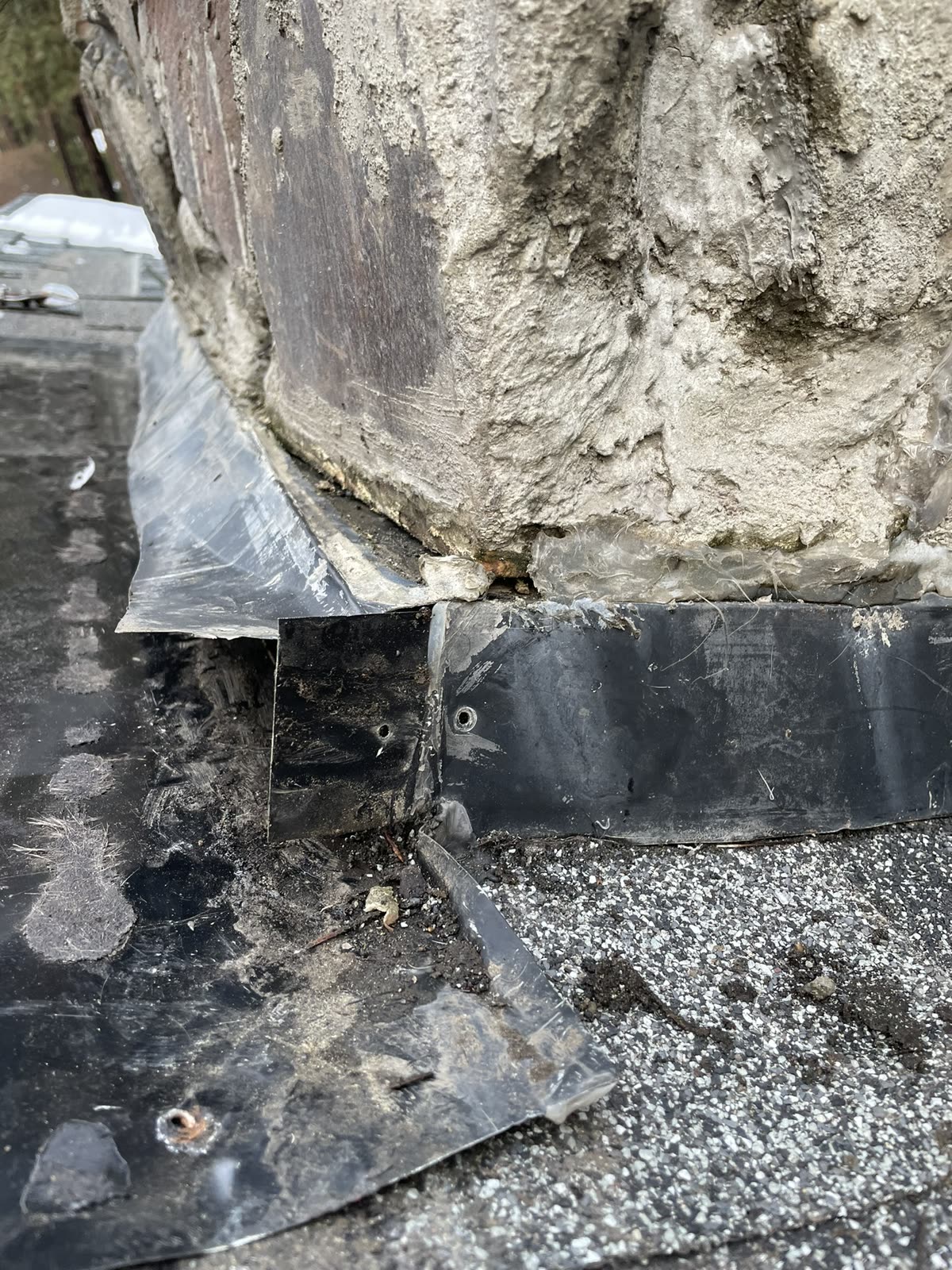
The ugly close-up is where the useful answer begins.
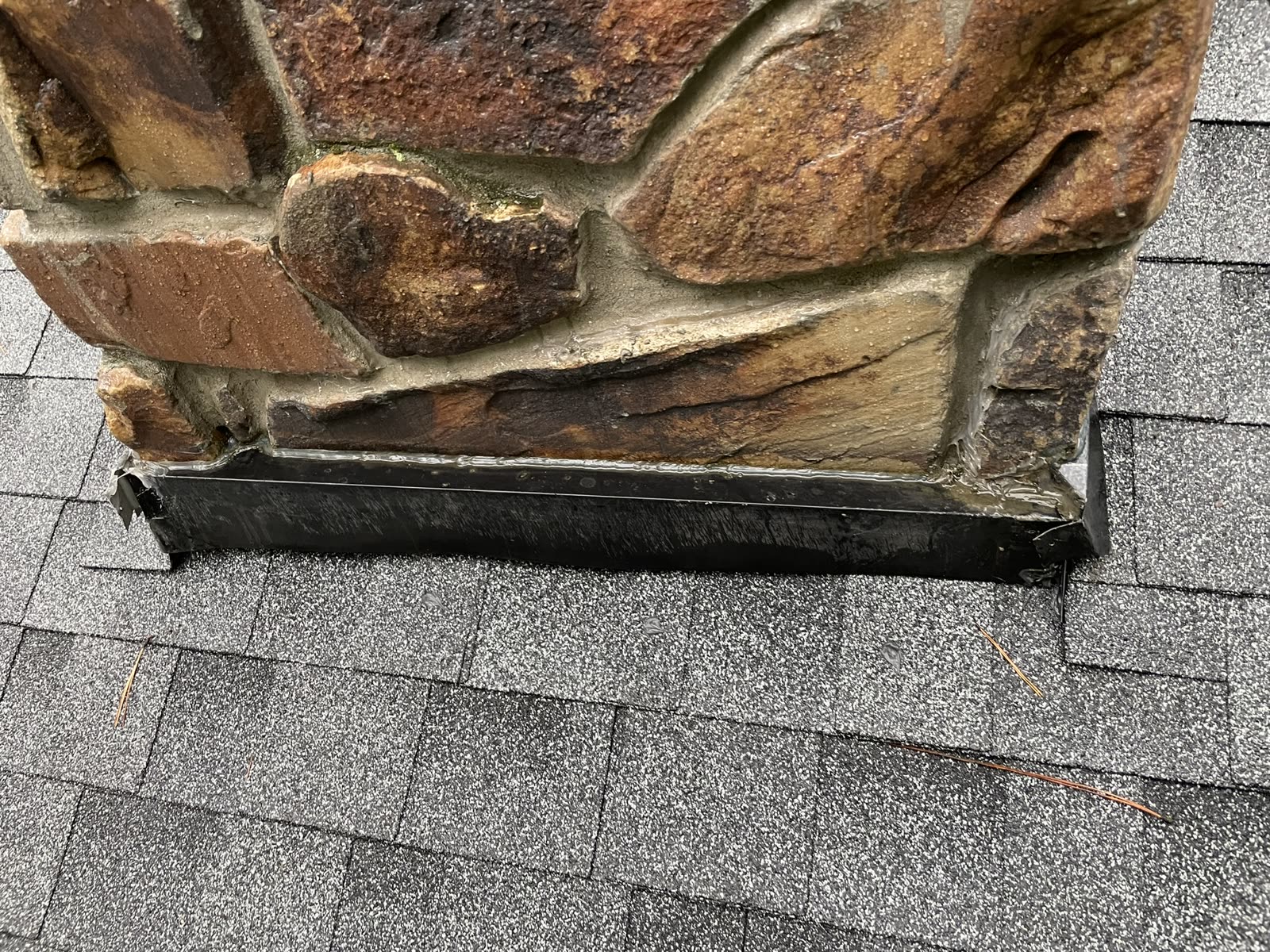
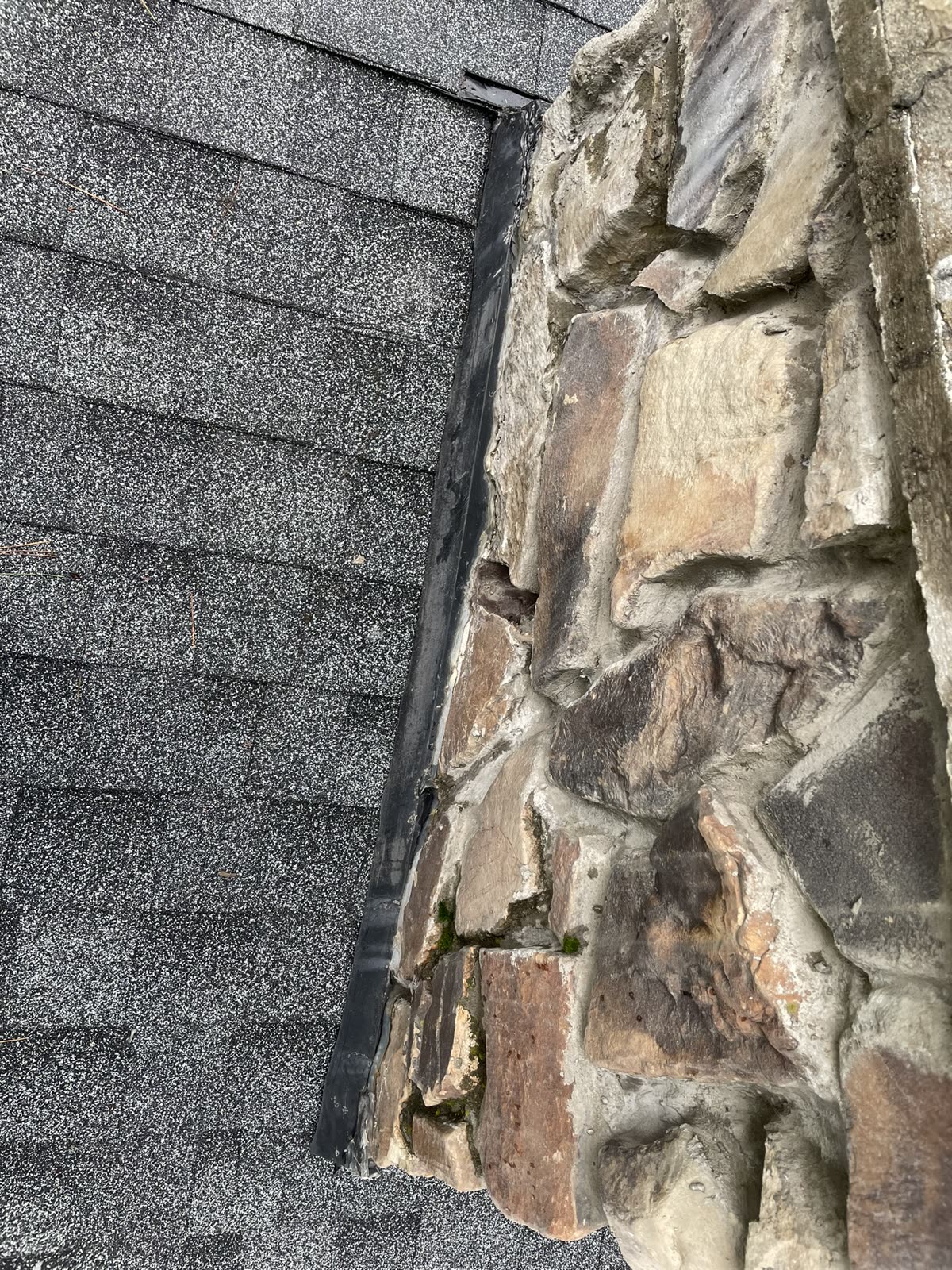
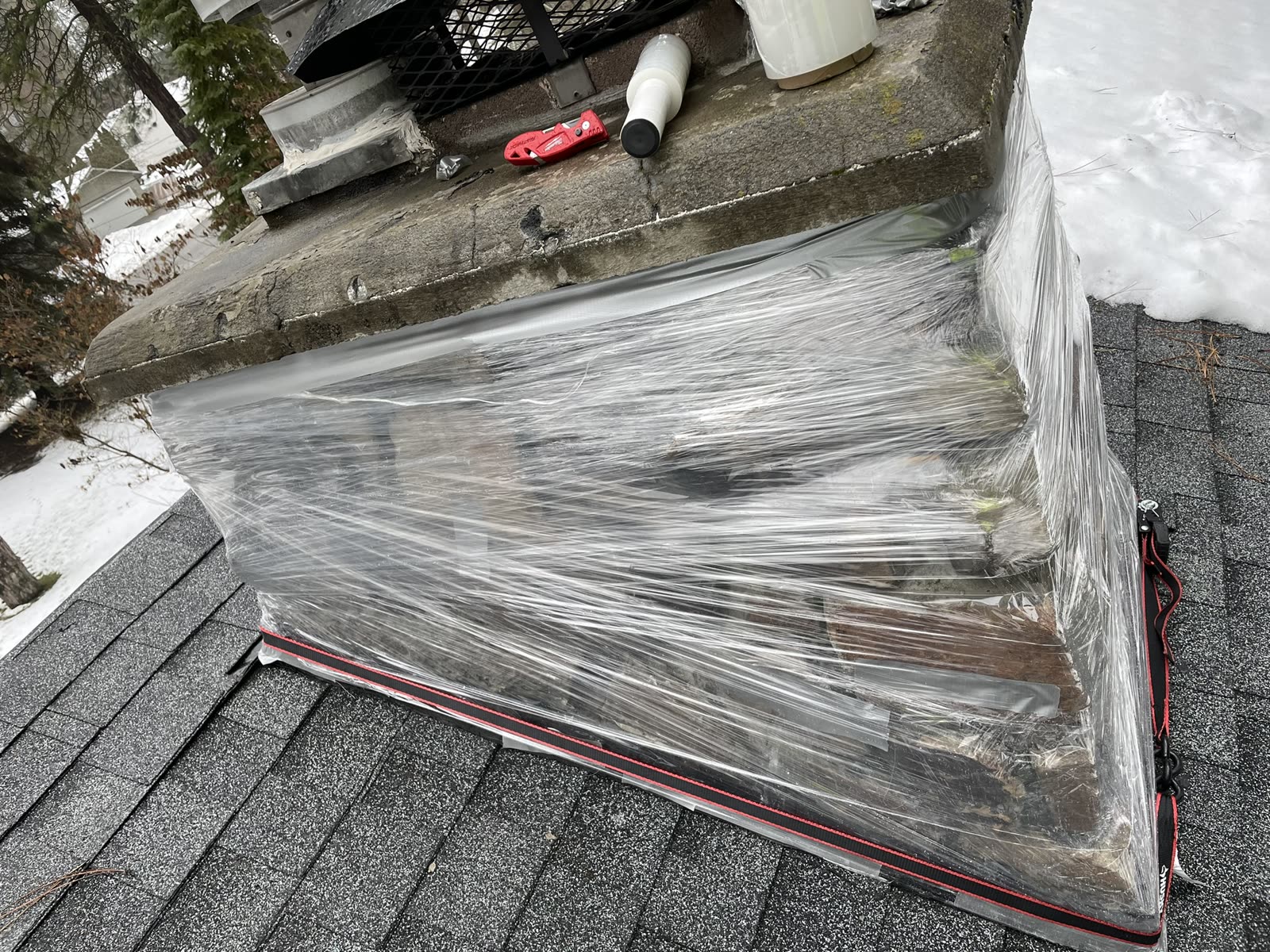
A polished exterior photo cannot show why water entered. Repair work begins at the vulnerable transition: what was installed, how water moves around it, and whether the surrounding material can support a lasting correction.
Ketron photographs the condition and protects the work area while the detail is opened and rebuilt.
- Trace the likely water path
- Open only what the repair requires
- Rebuild the failed detail
- Document the finished condition
The Ketron path
A useful repair visit answers four questions.
Each step should make the next one easier to understand. No disappearing communication and no scope that outruns the evidence.
- 01
Where is water entering?
Follow roof geometry, transitions, fasteners, and interior evidence instead of assuming the stain marks the entry point.
- 02
What actually failed?
Separate an isolated defect from broad wear or an assembly-level problem.
- 03
Can a focused repair hold?
Consider the condition around the failure and state the repair boundary plainly.
- 04
What should you watch next?
Close with photos, expectations, and a clear route back if conditions change.
The Ketron Standard
Protect your home before, during, and after the roof.
Good roofing includes the property around it, the cleanup behind it, and communication that keeps you oriented.
Meet the family behind it- 01
Document
See the condition and understand the recommendation.
- 02
Protect
Plan around landscaping, access, finished surfaces, and daily life below.
- 03
Clean
Active cleanup, magnetic sweep, and final quality review.
- 04
Stay accountable
The same local family remains easy to reach after the work.
Real customer proof
Your experience matters as much as the roof.
Read the words Kootenai County homeowners chose after working with Ketron.

“Careful not to damage even one leaf of our landscaping.”

“Honesty and trustworthiness are most important to me, and that is what I found.”
Straight answers
Questions homeowners ask before the next step.
Do you repair roofs you did not install?
Ketron evaluates residential repair needs across Kootenai County. Whether a responsible repair is available depends on the failure and the surrounding roof condition.
Can you promise the leak source before opening anything?
Sometimes the evidence is direct; sometimes roofing layers conceal the path. A sound diagnosis distinguishes what is known, what is likely, and what may require limited opening.
What if water is entering right now?
Call (208) 508-ROOF. Scheduling is still available, but active water belongs on the phone first.
Will you tell me if replacement is unnecessary?
Yes. Repair, inspection, care, and replacement all stay available so the smallest responsible answer can remain the recommendation.
Choose what you need today
A direct conversation or an automatic estimate.
Scheduling is the fastest route when condition, repair value, or complexity is the real question. Instant Roof Estimate is for likely replacement planning.
Talk with a person
Schedule a roof conversation
Best for leaks, repair, inspection, roof care, complex roofs, or any situation where you want a human answer first.
Schedule NowStart online
Get an instant roof estimate
Enter an address, let the system attempt an automatic aerial measurement, answer a few short questions, then unlock the available ballpark paths.
Instant Roof EstimateHave a leak or suspicious detail?
Get the failure in front of the right people.
Call when water is active, or schedule a roof-repair conversation for the next available time.