Standing seam metal · Concealed fasteners
Metal roofing should look intentional from every angle.
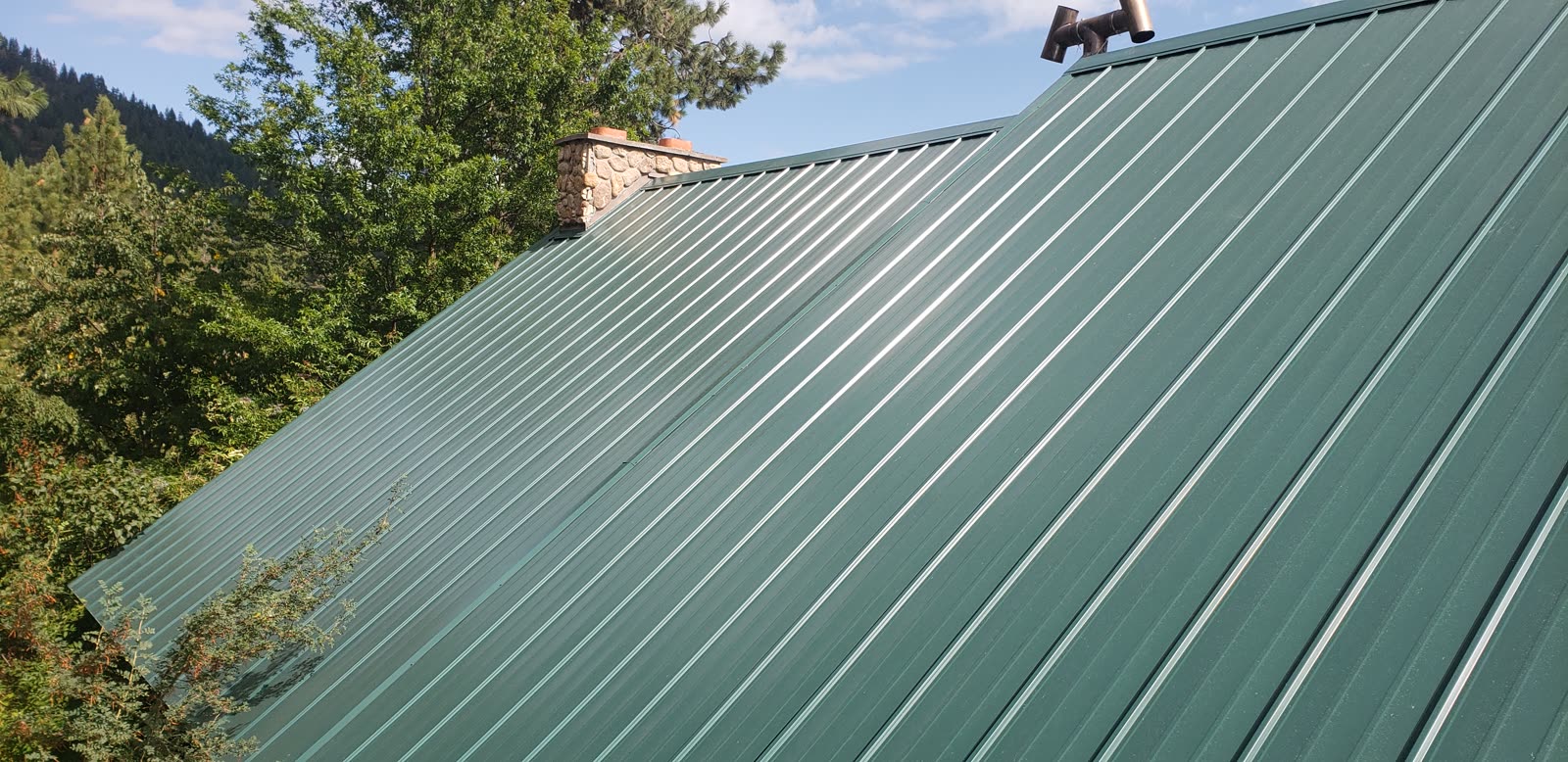
Standing seam is an architectural roof system, not an exposed-fastener panel stretched across a house. Ketron plans the roof planes, seams, transitions, penetrations, edges, and snow movement as one design.
- Residential only
- Documented findings
- Repair stays on the table
Where this service fits
The best metal decision begins with the shape of the house.
A strong standing seam plan balances architecture, roof geometry, substrate, underlayment, panel layout, penetrations, snow movement, and budget. The roof should look quieter because the planning was more exact.
Clean roof planes
Strong simple forms let seams and edges reinforce the architecture.
Complex transitions
Dormers and skylights can work beautifully when their flashings and panel layout are planned together.
Snow movement
Entries, walkways, valleys, lower roofs, and landscaping belong in the snow conversation.
Existing structure
Deck condition, ventilation, penetrations, and transitions still matter beneath the finished metal.
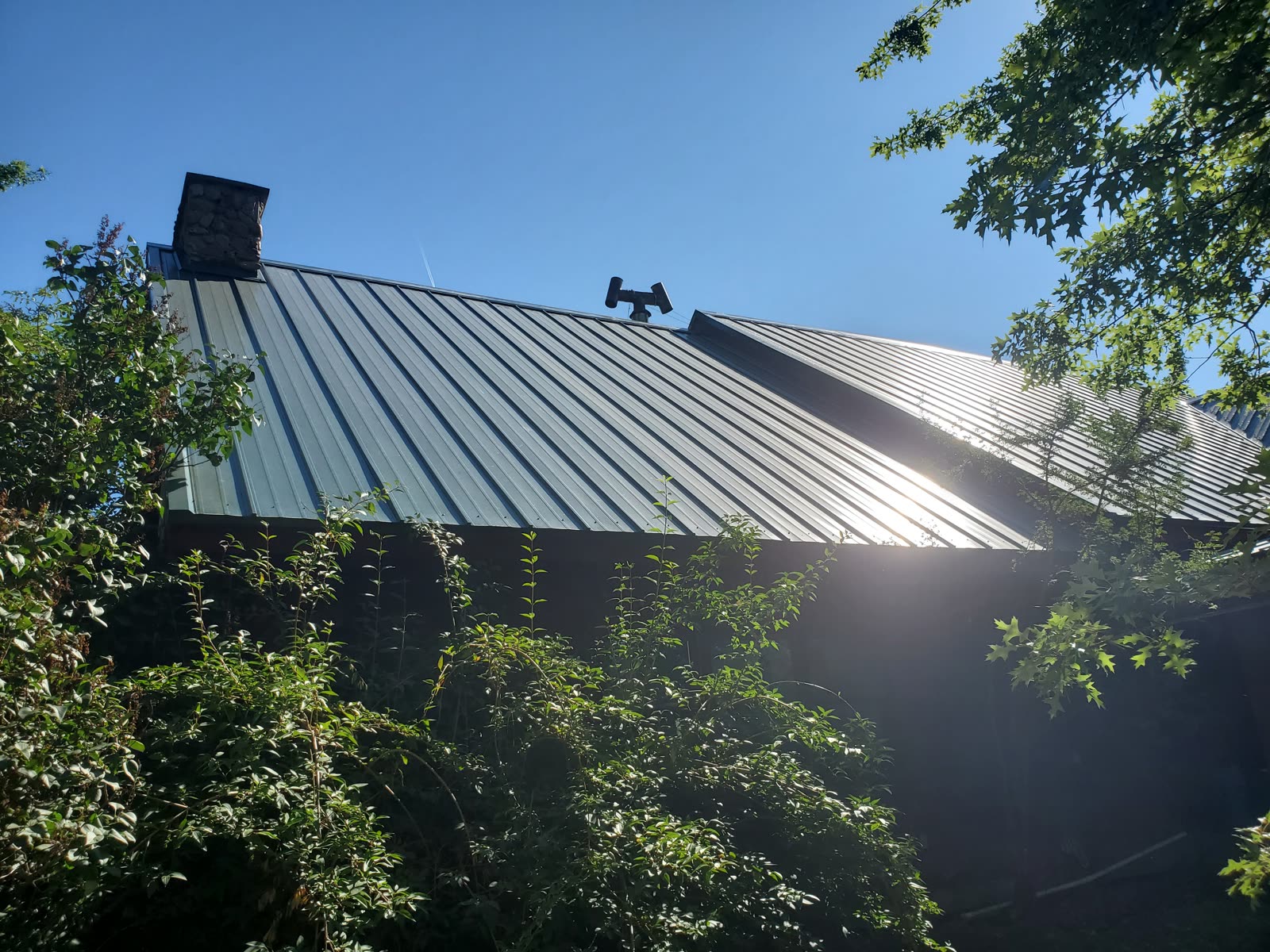
Real Ketron standing seam
The workmanship lives at the changes in plane.
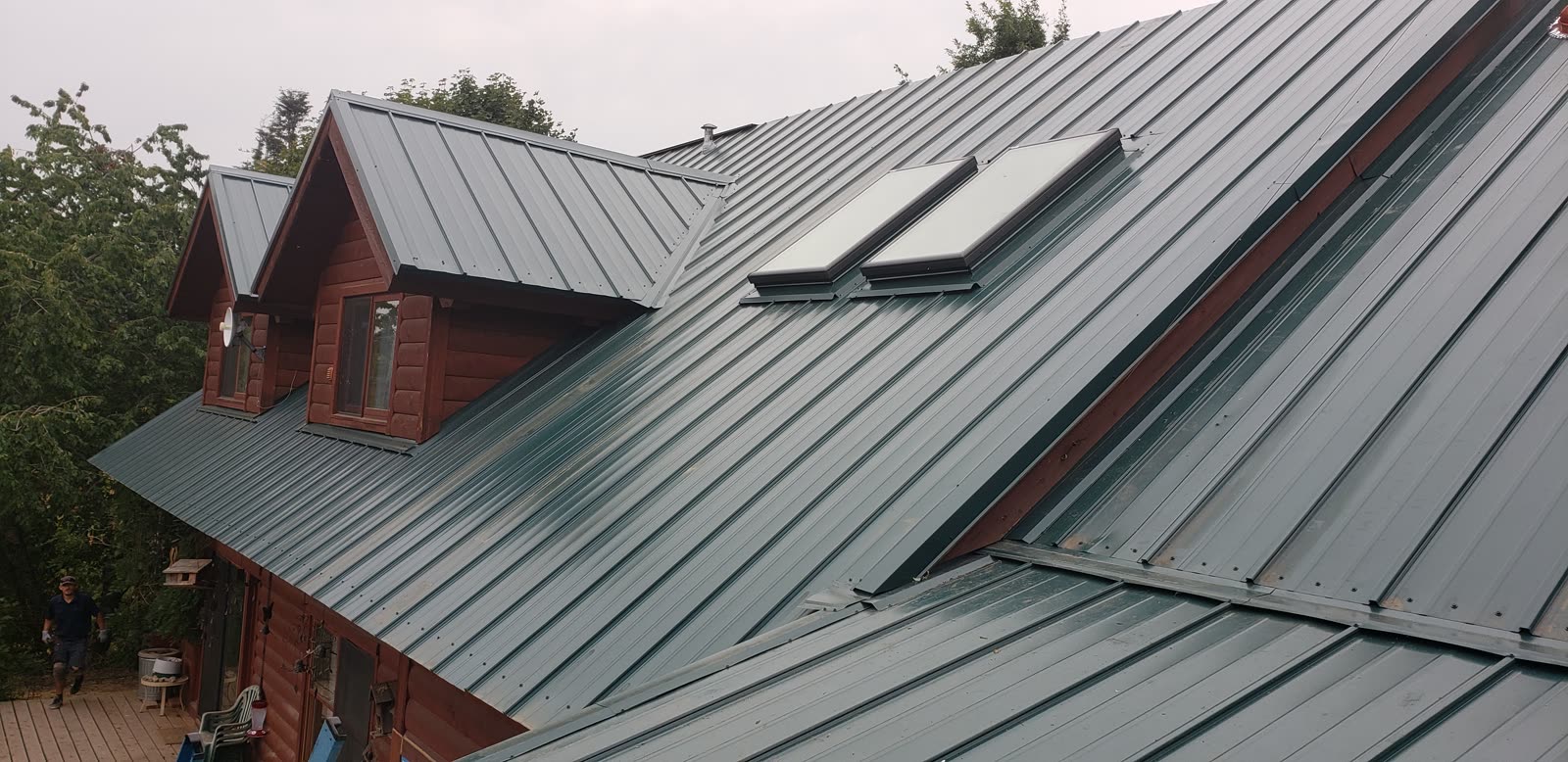
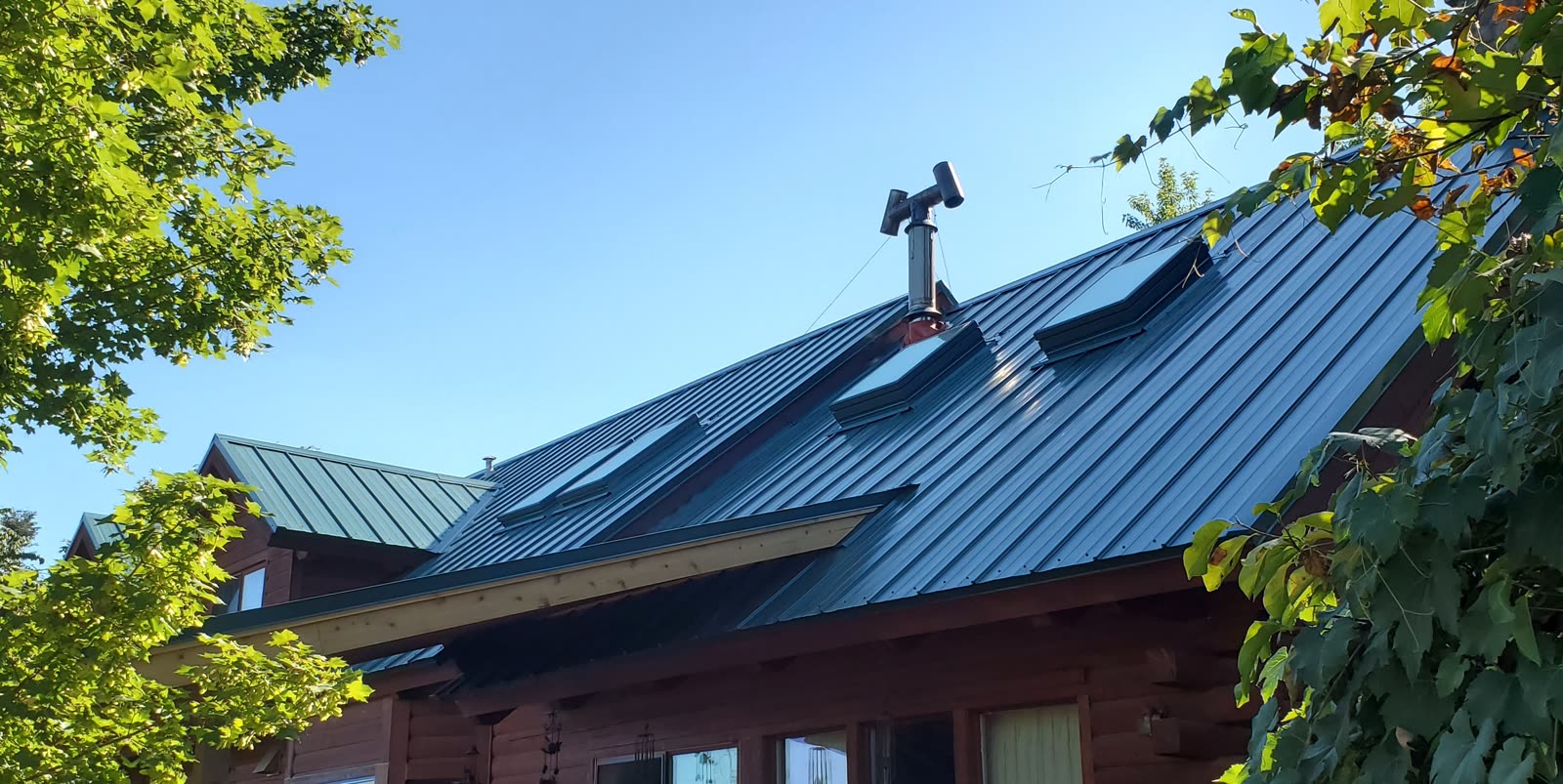
A wide field of panels can look simple. Dormers, skylights, valleys, walls, and edges reveal the installer. Those details determine whether the finished roof reads as one coherent system.
This Ketron project shows the design problem clearly: multiple roof planes, paired skylights, dormers, and a material that makes every transition visible.
- Panel layout before installation
- Concealed fastening system
- Purpose-built transition details
- Snow and drainage planning
The Ketron path
Four conversations separate a roof system from a product sample.
Each step should make the next one easier to understand. No disappearing communication and no scope that outruns the evidence.
- 01
Geometry
Map planes, valleys, dormers, walls, hips, eaves, ridges, and penetrations before talking color.
- 02
Assembly
Connect substrate, underlayment, ventilation, panel profile, fastening, and flashing.
- 03
Movement
Plan thermal movement, drainage, snow paths, and where runoff reaches the property.
- 04
Finish
Coordinate seams, edges, transitions, color, and roof-to-home proportions.
The Ketron Standard
Protect your home before, during, and after the roof.
Good roofing includes the property around it, the cleanup behind it, and communication that keeps you oriented.
Meet the family behind it- 01
Document
See the condition and understand the recommendation.
- 02
Protect
Plan around landscaping, access, finished surfaces, and daily life below.
- 03
Clean
Active cleanup, magnetic sweep, and final quality review.
- 04
Stay accountable
The same local family remains easy to reach after the work.
Real customer proof
Your experience matters as much as the roof.
Read the words Kootenai County homeowners chose after working with Ketron.

“Careful not to damage even one leaf of our landscaping.”

“Honesty and trustworthiness are most important to me, and that is what I found.”
Straight answers
Questions homeowners ask before the next step.
Does Ketron install exposed-fastener metal roofing?
Ketron's residential metal focus is standing seam with concealed field fastening.
Is standing seam always better than shingles?
No. It is a different system with different design, cost, detailing, and ownership considerations. The right answer depends on the home and the goals.
Can Instant Roof Estimate price standing seam?
When automatic aerial measurement and the available project information support it, the estimate journey can present relevant ballpark paths. Final scope still depends on property-specific details.
What should I ask about snow?
Ask where snow and water move relative to entries, decks, lower roofs, valleys, mechanical equipment, landscaping, and everyday paths around the home.
Choose what you need today
A direct conversation or an automatic estimate.
Scheduling is the fastest route when condition, repair value, or complexity is the real question. Instant Roof Estimate is for likely replacement planning.
Talk with a person
Schedule a roof conversation
Best for leaks, repair, inspection, roof care, complex roofs, or any situation where you want a human answer first.
Schedule NowStart online
Get an instant roof estimate
Enter an address, let the system attempt an automatic aerial measurement, answer a few short questions, then unlock the available ballpark paths.
Instant Roof EstimateConsidering standing seam?
Start with the roof form, not the color chip.
Schedule the design and condition conversation, or begin with an instant estimate for an early ballpark.